Composite cylinders are rapidly setting new benchmarks in gas cylinder technology worldwide, providing a lighter, non-corrosive, and inherently safer alternative to traditional heavy steel gas bottles.
What Makes Composite Cylinders Different?
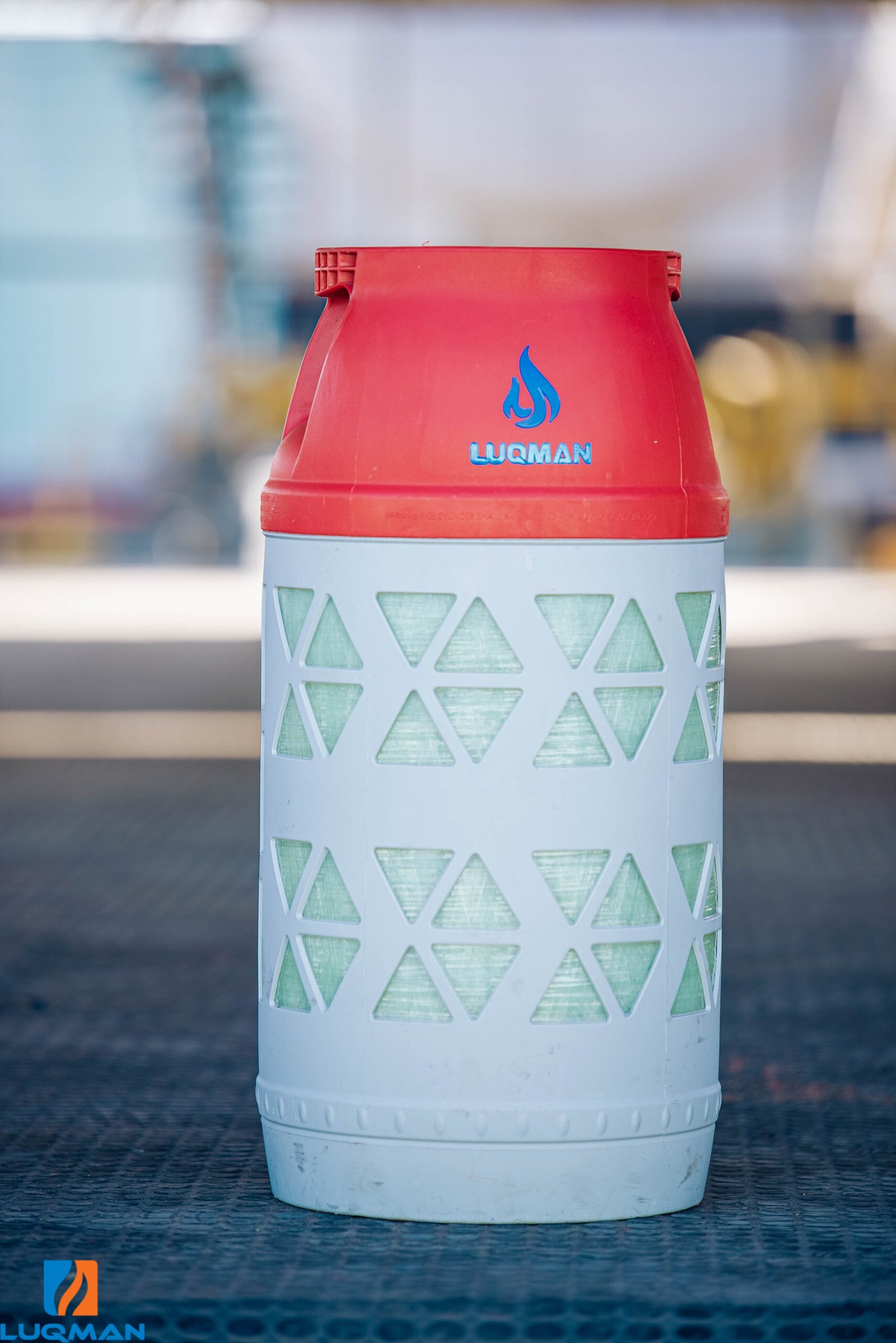
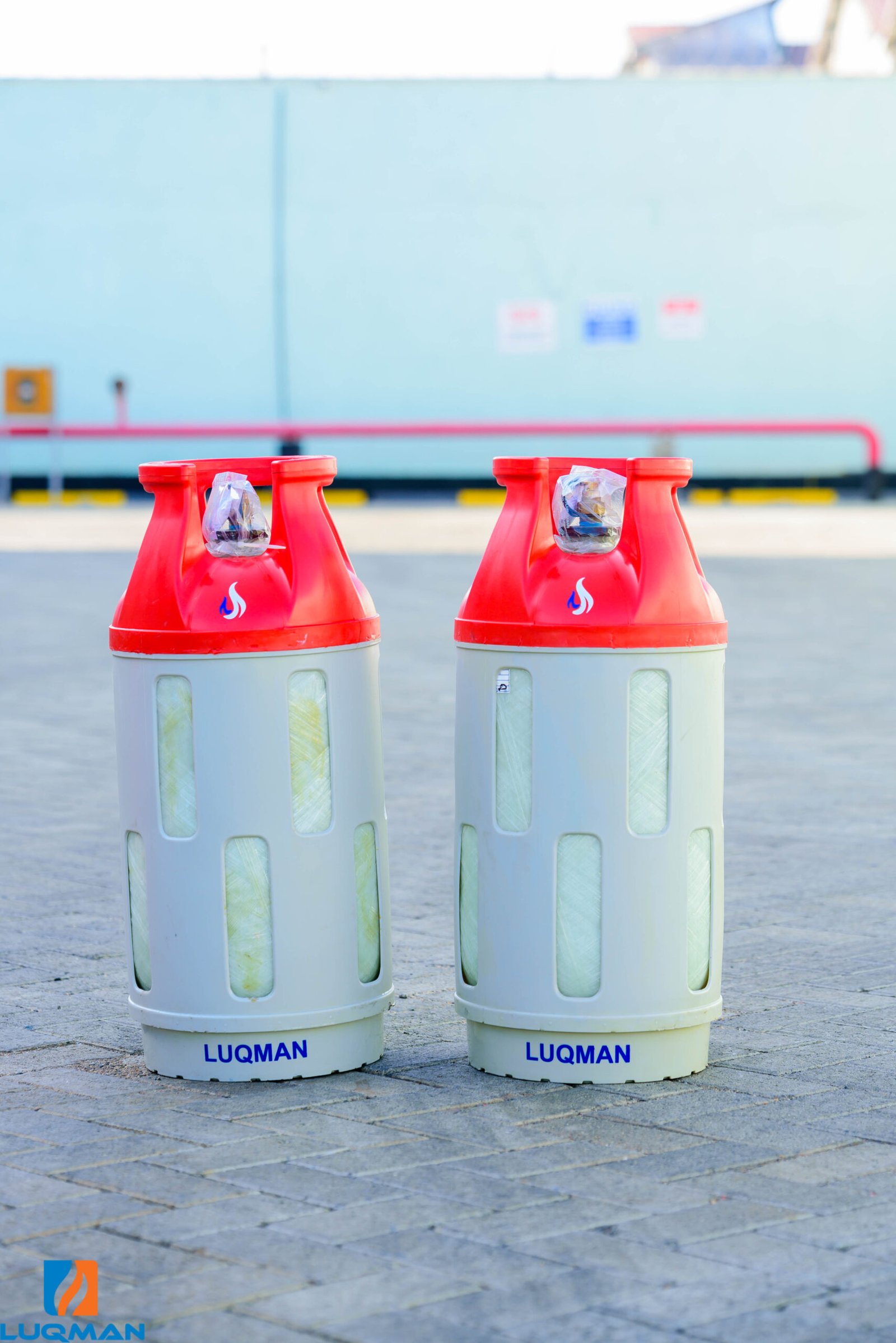
Unlike steel cylinders, composite cylinders are constructed from a helically wound three-layer structure: an inner blow-moulded thermoplastic liner, a seamless glass-fibre composite casing wound with high-grade resin, and an outer ergonomic protective casing. This design delivers superior mechanical strength while remaining significantly lighter than traditional steel.
Key Advantages for Kenyan Households
1. 100% Explosion Proof: In catastrophic fire conditions, the composite matrix vents gas safely through microscopic pores without rupturing or generating shrapnel.\n2. Visible Gas Level: The translucent construction enables users to visually monitor remaining gas volume, eliminating unexpected run-outs mid-cooking.\n3. Rust-Free & Non-Staining: Composite materials do not corrode, preventing stubborn rust rings on kitchen tiles or outdoor storage spots.\n4. Ergonomic Portability: Weighing roughly half as much as equivalent steel cylinders, they are easy to lift, transport, and install.
Regulatory Compliance & Quality Assurance
Every composite cylinder supplied under the Luqman standard meets stringent KEBS (Kenya Bureau of Standards) and international ISO manufacturing requirements, ensuring maximum resilience and safety across all regional operating temperatures.
Available Sizes and Compatibility
Composite cylinders use standard regulatory valve fittings compatible with standard domestic 20mm and 27mm quick-on regulators, allowing households to transition smoothly without needing new cooking appliances.