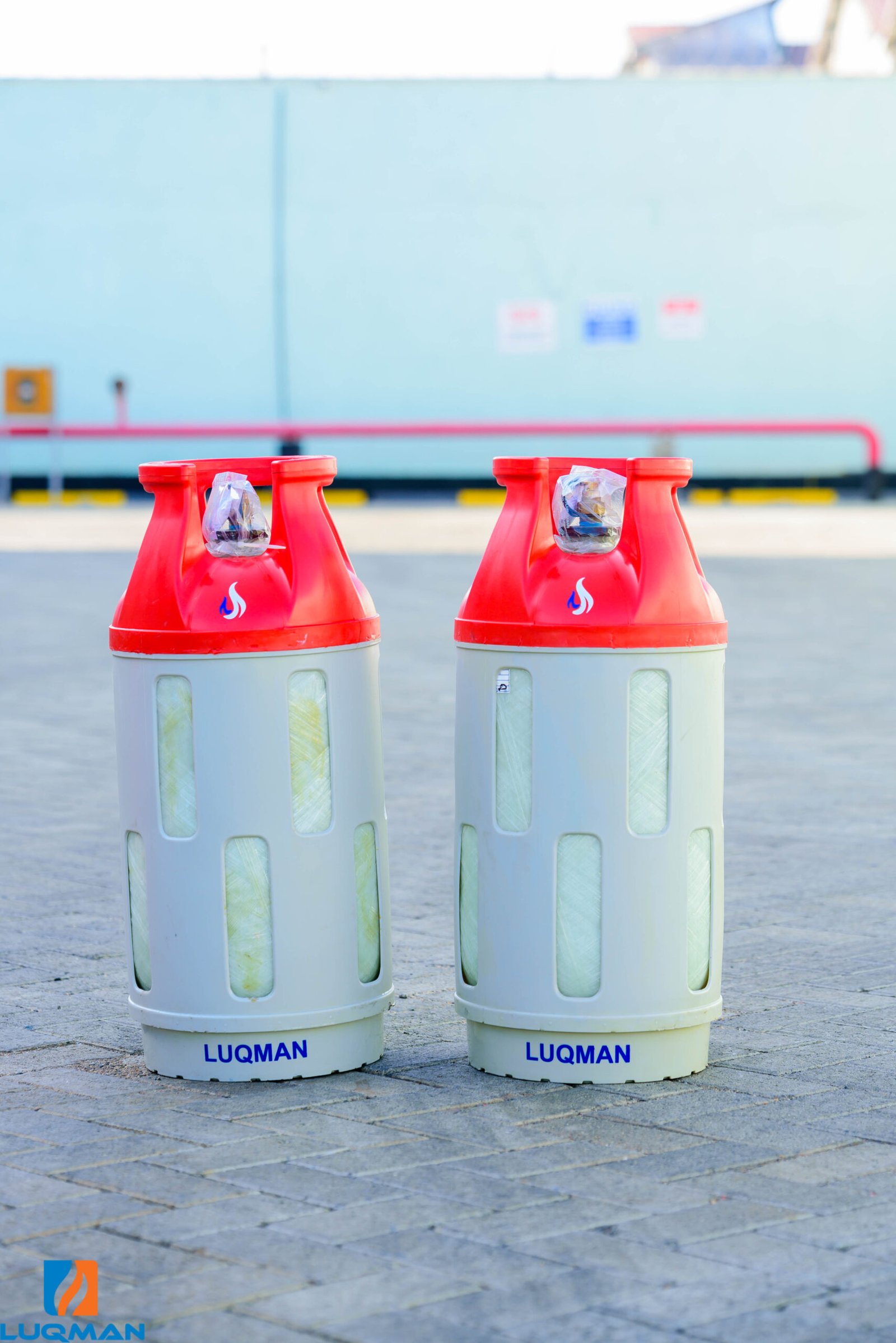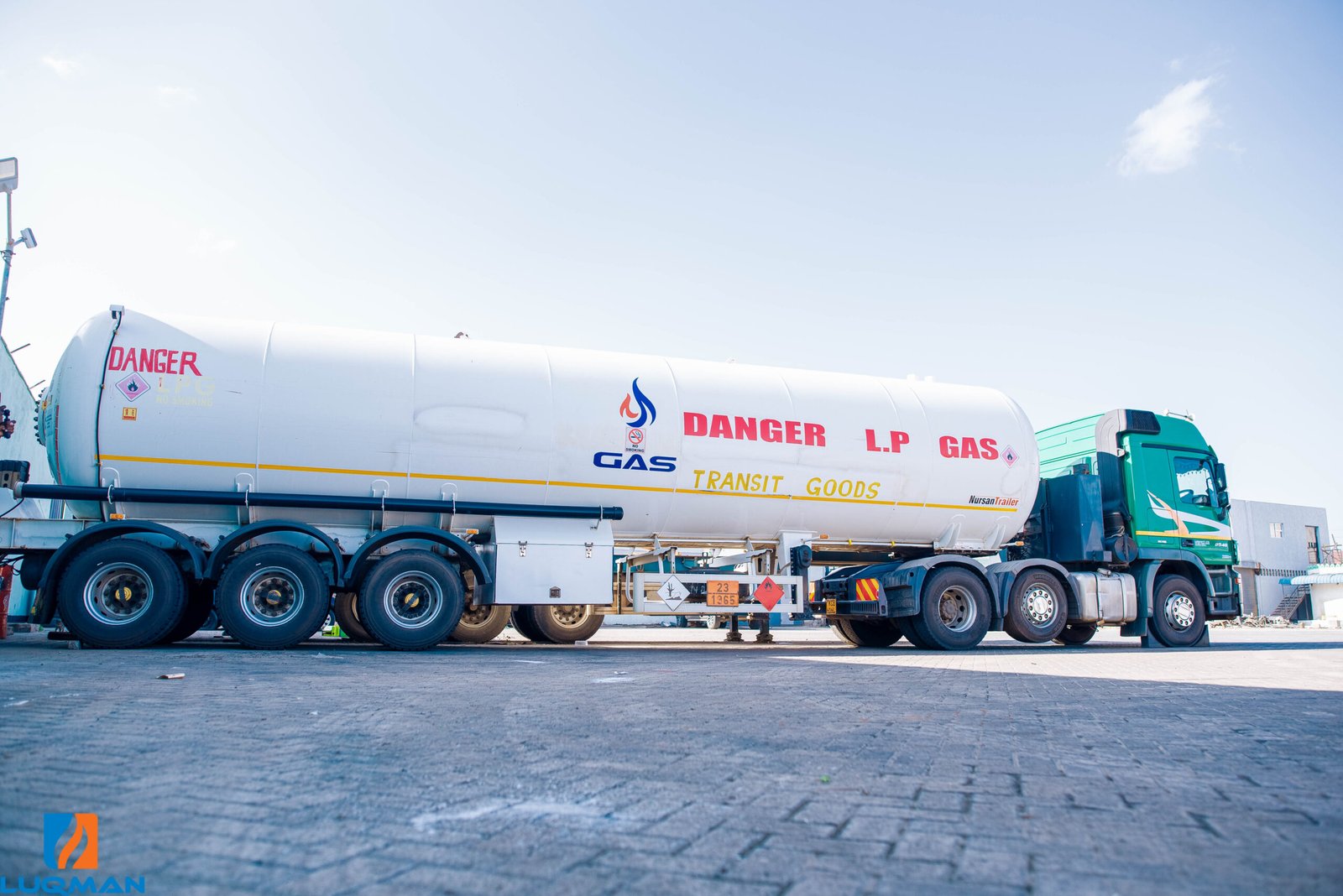
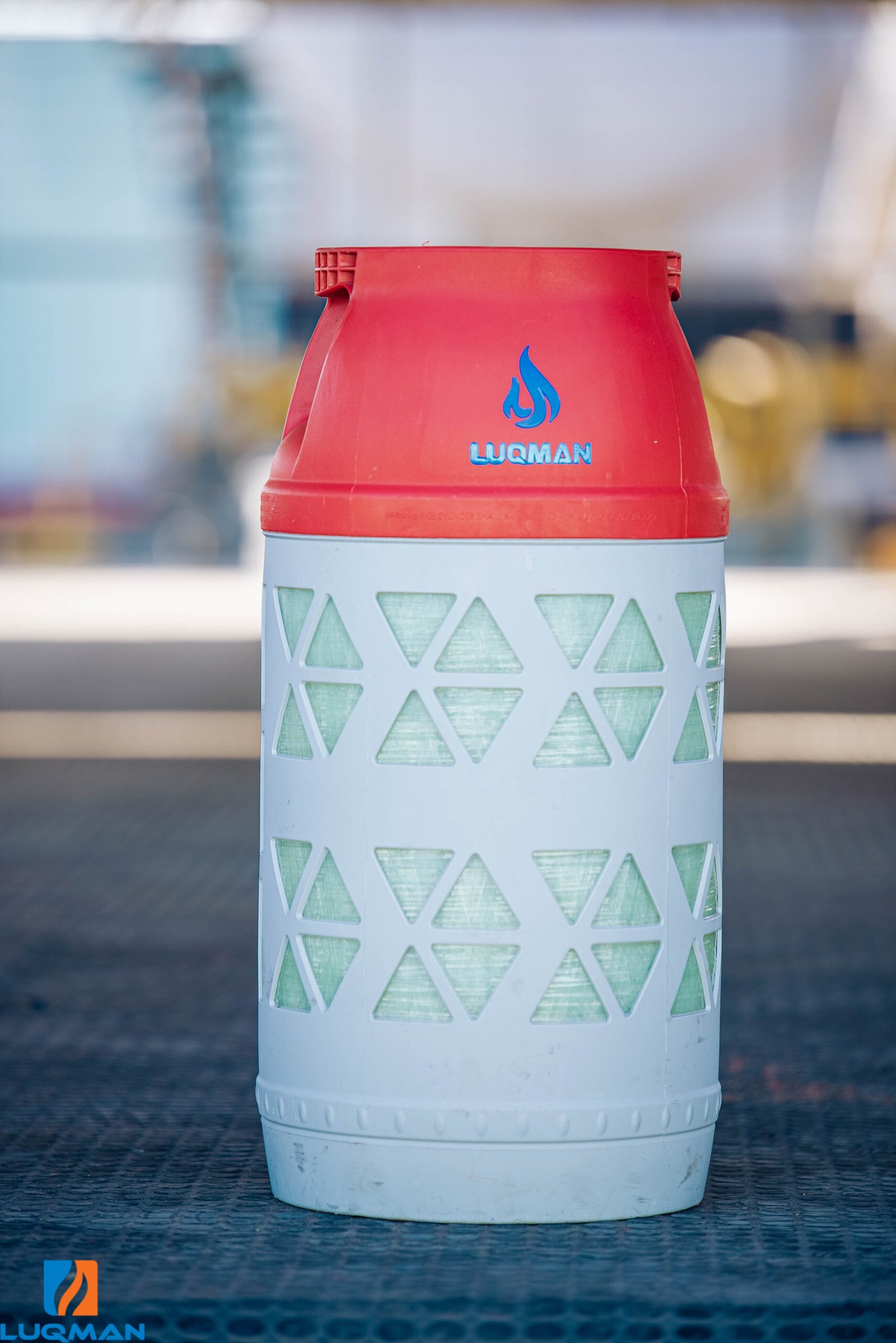
Liquefied petroleum gas (LPG) consists of combustible hydrocarbon gases that can be liquefied under moderate pressure, primarily propane, butane, or balanced mixtures. Refined during the processing of crude oil, LPG provides an exceptionally clean-burning, high-calorific fuel for modern households and commercial kitchens across Kenya and East Africa.
Safe Storage & Cylinder Placement
LPG vapour is heavier than air. In the event of an uncontrolled release, gas settles in low-lying depressions or poorly ventilated corners. Always keep cylinders upright on a stable, dry, and elevated surface. Never store LPG cylinders in basements, enclosed unventilated cupboards, or near heat sources like electric heaters or open fires.
Regulator & Hose Inspection Routine
Routinely inspect the low-pressure regulator and rubber gas hose (conforming to KEBS standards). Check for surface cracks, hardening, or loose jubilee clips. Gas hoses should be replaced every 2 to 3 years regardless of visible wear. When connecting or disconnecting your regulator, ensure the valve is firmly in the locked position and the rubber O-ring gasket inside the cylinder valve is intact.
Detecting and Responding to Gas Leaks
LPG is naturally odourless, but an ethyl mercaptan stenching agent is blended into every Luqman Gas cylinder to provide a distinct, unmistakable warning scent. If you smell gas: (1) Do not strike matches or turn electrical switches on or off; (2) Extinguish all naked flames immediately; (3) Open all doors and windows to facilitate rapid cross-ventilation; (4) Turn off the cylinder valve regulator; (5) If the smell persists, move the cylinder to an open outdoor space and contact the nearest Luqman station emergency hotline.
The Soap Solution Test
Never use a flame or lighter to check for gas leaks. Apply a 50/50 mixture of liquid dish soap and water with a brush or sponge over the hose, regulator connection, and valve joint. If bubbling occurs, a leak is present and the joint must be tightened or the component replaced immediately.